History & Culture
Choose a place that changes how you understand the country.
FIRST TRIP TO CHINA · 14 DAYS
China’s high-speed trains make it tempting to add one more city.
But a great first trip starts with a different question:
What deserves your time?Travel deeper. Move smarter.
THE SHORT ANSWER
14 DAYS · 13 NIGHTS · 4 BASES · 3 MAJOR TRANSFERS
BEIJING → XI'AN → CHENGDU → SHANGHAI
For a first trip to China, this is the route we would start with—not because these are the four places everyone has to see, but because each one changes the journey.
Start by deciding what each place contributes—not by counting how many famous names fit on a map. How much China is enough? →
WHAT DESERVES YOUR TIME?
A destination belongs in the route when it adds a genuinely different side of China. Fame alone is not enough.
Choose a place that changes how you understand the country.
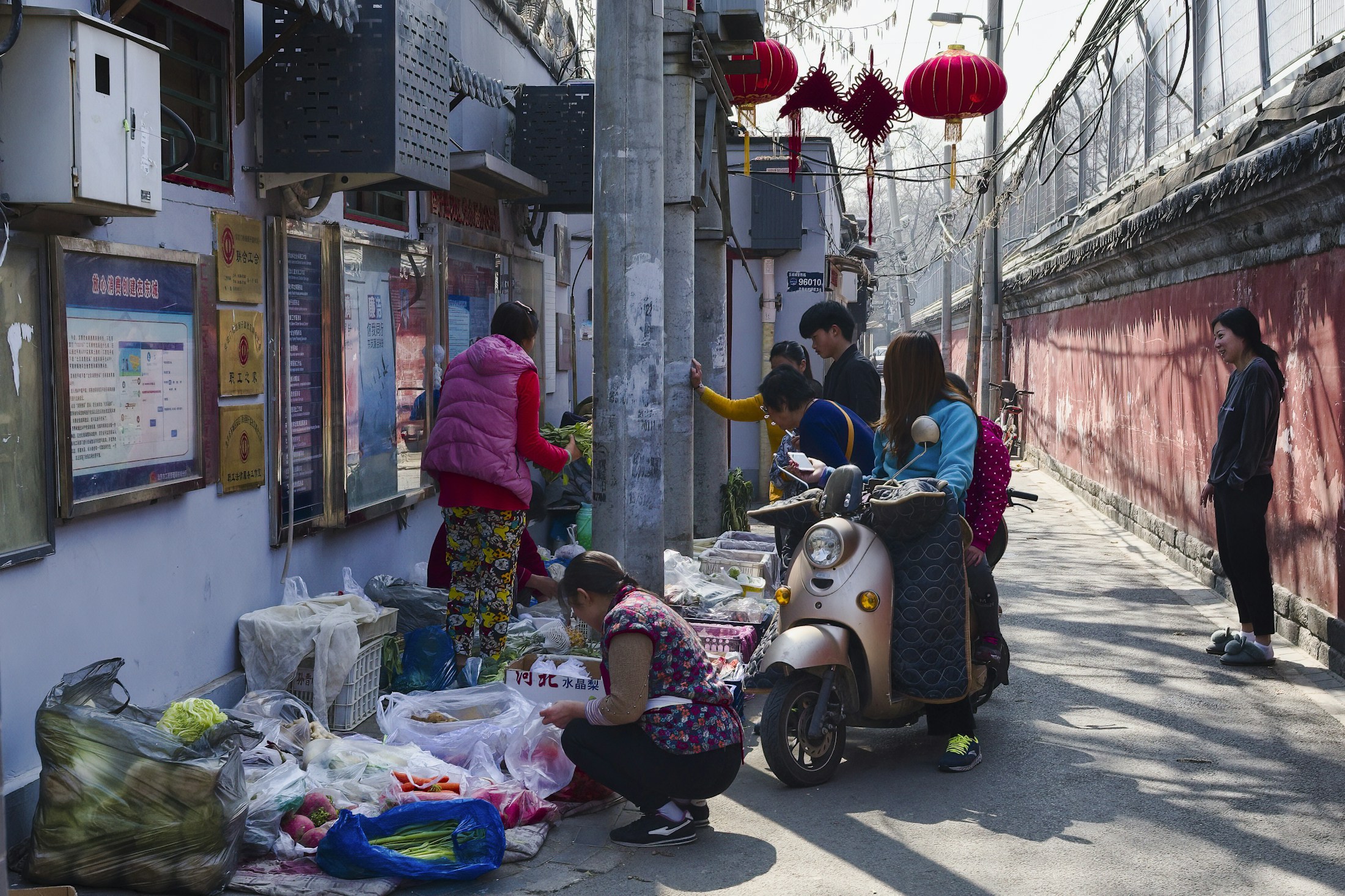
Look for markets, breakfast rituals, neighborhoods, and regional flavor.
If landscape matters, give it time instead of treating it as a detour.
Balance contrast, pace, and connections without making every stop compete.
Each stop should contribute something different: another period of history, another landscape, another rhythm, another way of eating.
A 4.5-hour train is not a 4.5-hour transfer day.
We plan transfers door-to-door—not timetable-to-timetable.
High-speed rail when it improves the journey. Flights when long-distance rail consumes too much usable time. Walking when the neighborhood itself is the experience.
Travel deeper. Move smarter.
Short answer: 3–4 cities. Five is where trips start to break.
If you’re stuck between two versions of your route, send it to us. We’ll tell you honestly which one we’d cut — even if it means a shorter trip with us. A trip you enjoy beats a trip you survive.
Not sure which city to cut?Send your cities and how long you have in the existing inquiry form. We’ll sanity-check the route.
Compare trip lengths in Route Atlas →There is no single perfect first China itinerary. The right route depends on what you want the trip to feel like.
ROUTE A
For your first trip — without trying to make it your only trip.
Beijing — Understand
Imperial scale meets everyday rituals in Beijing.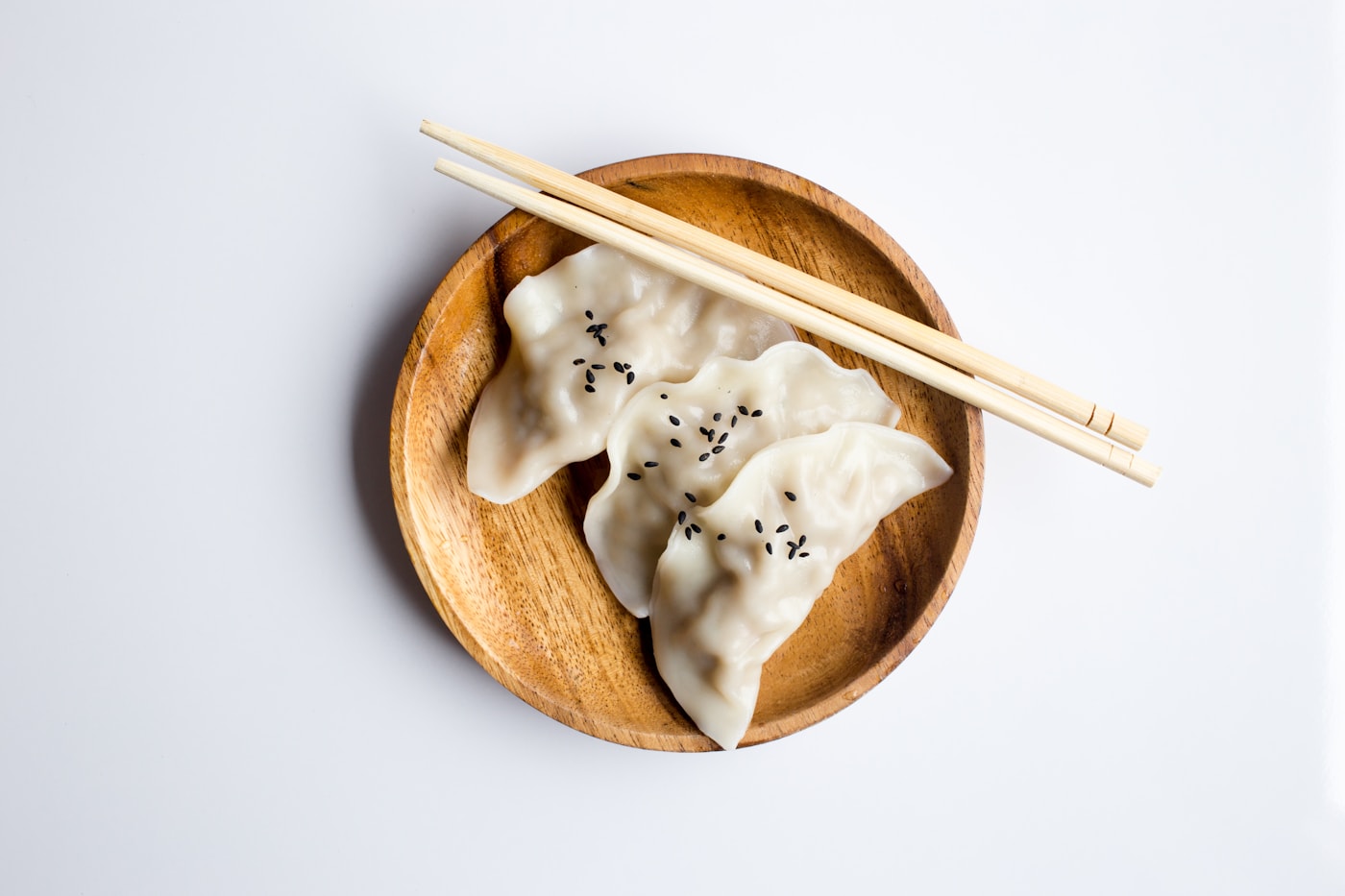
Xi’an — Trace
A different historical chapter, with Silk Road influences and a wheat-food story.
Chengdu — Feel
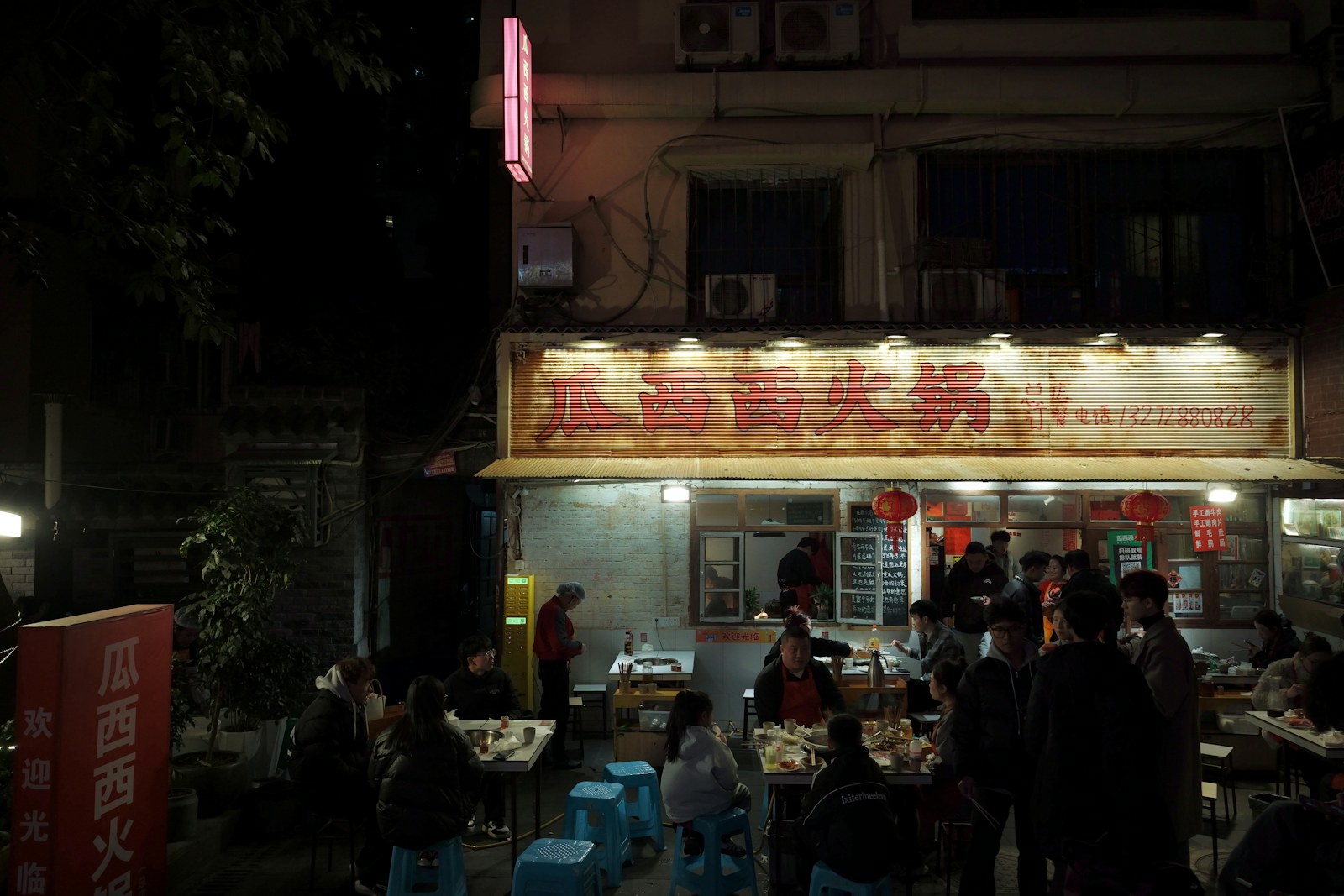
Sichuan food, tea-house life, and a different sense of time.
Shanghai — Meet China Now
Contemporary China and a useful contrast to the journey before it.“A first trip doesn’t have to be your last trip.”
WHAT WE LEAVE OUT
“Good itinerary design isn’t only about what we add. It’s about what we leave out.”
ROUTE B
A journey through China’s regional flavors.
“Don’t just taste Chinese food. Taste how China changes from city to city.”
Beijing
Xi’an
Chengdu
Guangzhou

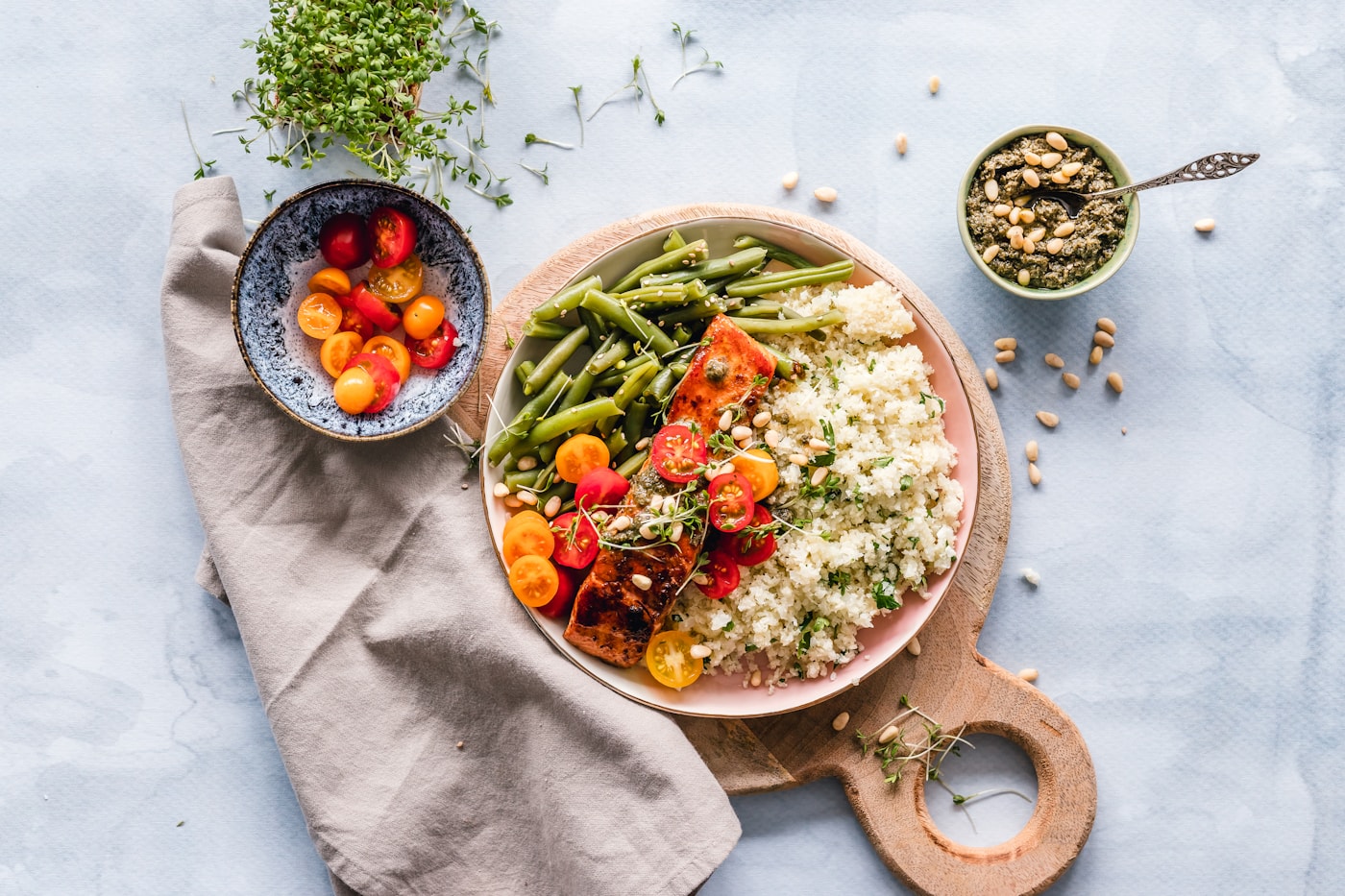
“Taste is not just what you eat. It’s how you experience a place.”
“In Chengdu, doing less is part of the itinerary.”
Four regions later, “Chinese food” no longer means one thing.Great Wall
Terracotta Warriors
Historic neighborhoods
Contemporary China
Breakfast stalls
Markets
Regional cooking
Local restaurants
Parks
Tea houses
Neighborhood walks
Evenings without rushing
See China. Taste China. Live China.
ROUTE C
WHAT IF FOUR CITIES STILL FEELS LIKE TOO MUCH?
Fewer bases. Longer stays. More room for real life.
YOU GIVE UP: the experiences specific to the city you remove.
YOU GAIN: one fewer hotel change, one fewer major transfer, more room in the remaining cities, and more unplanned time.
“You could add two more cities.
We just don’t think you should.”
Removing a city doesn't make the journey worse. It makes it different.
Less rushing. More experiencing.
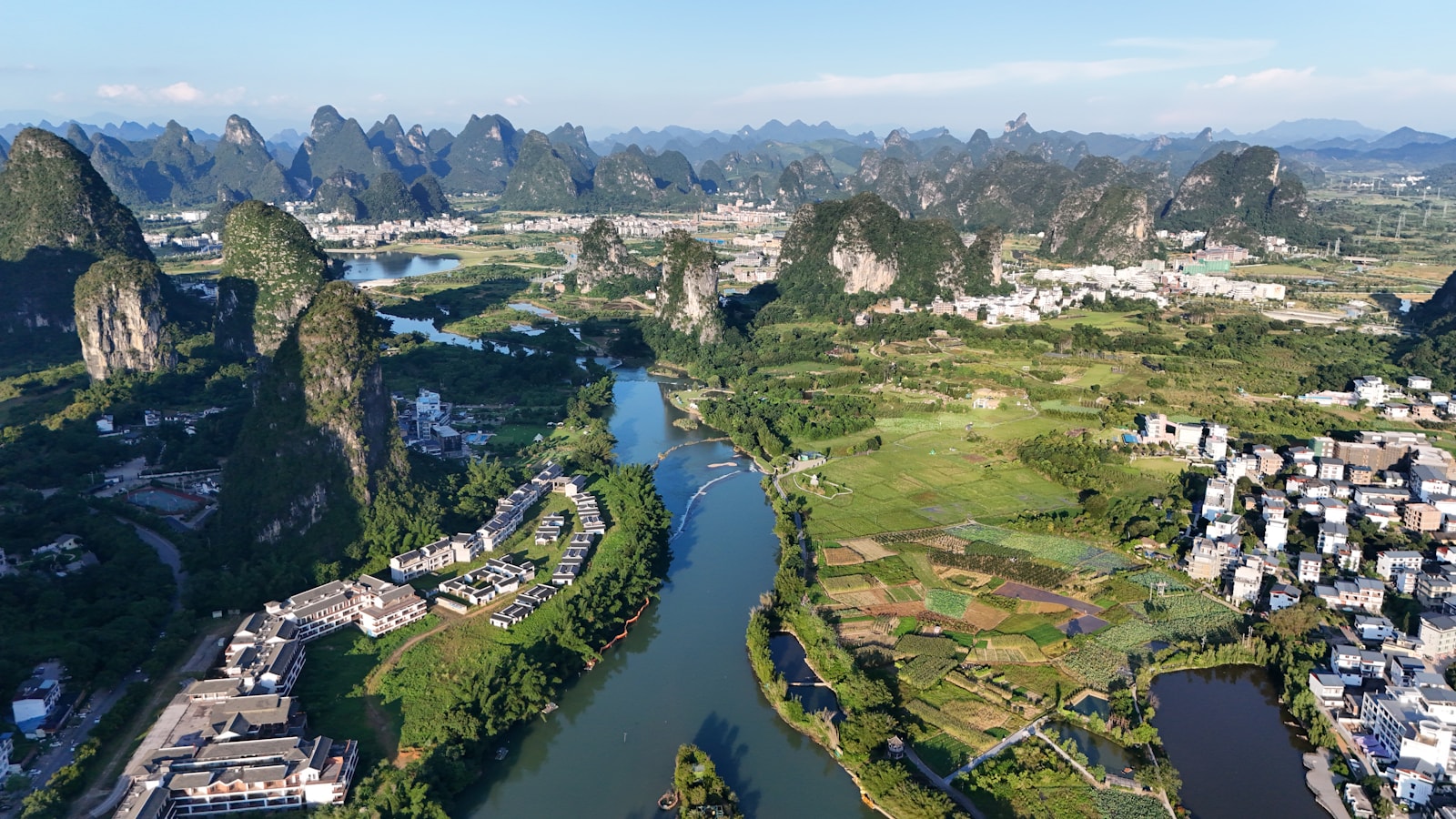
Sometimes the best fourth destination is more time in the first three.
Choose Chengdu for Sichuan food, tea-house life, and a softer city rhythm.
Choose Guilin when scenery and slower days should shape the route.
Choose Zhangjiajie when the landscape is the reason for the journey.
Choose no fourth city when more time in the first three will serve you better.
This is a 14-day reference route for a private journey: Beijing 4 nights → Xi’an 2 → Chengdu 3 → Shanghai 4. Adjust it around your dates, interests and budget; final services and fees are set out only in the confirmed quotation.
Go / do: Arrive, settle in and take a short hutong walk near your base.
Why it earns its place: A gentle start protects energy after the international journey; dinner is kept flexible.
Go / do: Explore the Palace Museum area and finish with Jingshan views or a nearby neighborhood walk.
Why it earns its place: Imperial scale becomes easier to understand when paired with the ordinary streets around it.
Go / do: Spend the morning on a Great Wall section chosen for your mobility and season; return for a slower evening.
Why it earns its place: The wall is the headline, but the value is giving the landscape enough time rather than racing between sections.
Go / do: Visit a local market or breakfast street, then leave room for contemporary Beijing, galleries or a relaxed tea stop.
Why it earns its place: This day balances monuments with the city people live in now.
Go / do: Transfer to Xi’an using the connection available for your date; check in and walk the old city area at an easy pace.
Why it earns its place: The route changes from imperial capital to a historic crossroads without stacking major sightseeing on the transfer day.
Go / do: Visit the Terracotta Warriors area, then return to the city for a food-led evening around the Muslim Quarter or another suitable neighborhood.
Why it earns its place: A long-form history experience is followed by the living food culture that surrounds it.
Go / do: Take the best available rail or flight connection for your dates; after arrival, keep the afternoon for a teahouse or neighborhood walk.
Why it earns its place: A lower-pressure arrival protects the contrast between Xi’an’s history and Chengdu’s slower rhythm.
Go / do: Visit a panda facility or another priority chosen for your group, then spend time in a local market or neighborhood.
Why it earns its place: The day combines a recognizable Chengdu experience with the everyday life beyond a single attraction.
Go / do: Make this a food-and-tea day: breakfast, a Sichuan meal or cooking-focused experience, and an unhurried teahouse stop.
Why it earns its place: Chengdu is best felt through pace, flavor and conversation, not a checklist of sights.
Go / do: Compare flight and rail door-to-door for your travel date; arrive and keep the evening open around the Bund or former concession streets.
Why it earns its place: The longest cross-country move is treated as a time decision, not a fixed transport promise.
Go / do: Walk the Bund and historic lanes, then compare the skyline with a quieter neighborhood or local market.
Why it earns its place: Shanghai works as a contemporary counterpoint to the first three bases.
Go / do: Choose the Shanghai Museum or another current exhibition, subject to opening hours and reservation rules; add a flexible food stop.
Why it earns its place: A museum day gives context to the city’s changing identity without overloading the schedule.
Go / do: Use the final full day for a food neighborhood, design district, water-town alternative or a return to somewhere you enjoyed.
Why it earns its place: A deliberate open day is where a private journey can follow actual interests and weather.
Go / do: Keep departure logistics light: breakfast, final walk if time allows, then airport transfer arranged only after flight details are confirmed.
Why it earns its place: The journey ends with enough buffer for a calm departure rather than a last-minute attraction.
Planning note: Some visits need date-specific booking, seasonal checks or supplier availability. The Palace Museum says tickets are released seven days before the visit at 20:00 and there are no same-day tickets (official booking page). Transport, hotels, guides, transfers, meals and admission are not included unless listed in the confirmed quotation.
Train or plane? We compare the journey, not just the ticket.
| Journey | Likely choice | Why |
|---|---|---|
| Beijing → Xi’an | High-speed rail | Strong city-to-city connection |
| Xi’an → Chengdu | High-speed rail | Natural route progression |
| Chengdu → Shanghai | Compare flight | Protect usable travel time |
| Shorter regional links | Depends | Door-to-door time decides |
Compare the available options for your dates, interests and budget; the confirmed quotation decides what is included.
A PRIVATE JOURNEY
THIS ROUTE WORKS WELL IF... you want four contrasting bases, a first-time China itinerary, and enough structure to move with purpose.
CONSIDER A DIFFERENT ROUTE IF... one landscape or food region matters more than contrast, or four cities already sounds like too much.
Good. That’s exactly why private journeys shouldn’t start with a fixed package.
Plan My China Journey ↗Tell us your dates, group size, interests and travel pace.Clear answers for planning a realistic first trip.
Yes. Fourteen days is enough to experience several distinct sides of China when the route is selective. It is not enough to see every headline destination, and that is a useful boundary: choose three or four places that contrast with one another and protect time for being there.
Three or four bases usually work well. Four can feel lively without becoming frantic when the connections are sensible; three creates more room for neighborhoods, markets, return visits, and unplanned evenings. Five or more normally means the transfers begin to shape the trip more than the places do.
Not if you give Beijing and Shanghai four nights, keep Xi’an focused, and allow Chengdu three nights. Beijing to Xi’an and Xi’an to Chengdu are natural high-speed rail legs. For Chengdu to Shanghai, comparing a flight can protect a large part of your day.
Use high-speed rail when stations are central, the connection is direct, and the journey fits comfortably into the day. Compare flights on longer cross-country legs. The useful comparison is hotel door to hotel door, including transfers, waiting, security, and check-in—not just the time printed on the ticket.
Add Chongqing when its dramatic cityscape, late-night energy, and food culture are genuine priorities. Do not add it only because it is near Chengdu or currently popular. In a four-city route, Chongqing should usually replace another stop rather than become a fifth base.
Make nature part of the route’s structure. Zhangjiajie deserves enough time for the landscape rather than a hurried detour. Guilin and Yangshuo suit travelers who value scenery and a slower rhythm. In either case, replace a city instead of simply adding another transfer.
Yes. A food-led journey can connect regional cooking with markets, breakfast stalls, tea culture, neighborhood life, and the history behind what people eat. The point is not to collect famous dishes; it is to understand how China changes from north to south and city to city.
No. A private trip does not mean having a guide beside you every minute. Taste China Tours can combine guided experiences, private transfers, and independent time according to where each actually adds value.
See China. Taste China. Live China.
Your 14 days don't need more places. They need the right places.“A journey built around you — not a fixed itinerary you’re asked to fit into.”Start Planning My China Trip ↗