01 FLAVOR
More than heat.
Sichuan cooking is layered, aromatic and varied. Spice is part of the story—not the whole story.
CHENGDU · FOOD JOURNEY
Taste the city,
not just the dishes.
Beyond hotpot and spice, there is a city of neighborhood breakfasts, local markets, tea and shared meals. Begin with everyday life. Let the flavors follow.
Explore the Journey ↓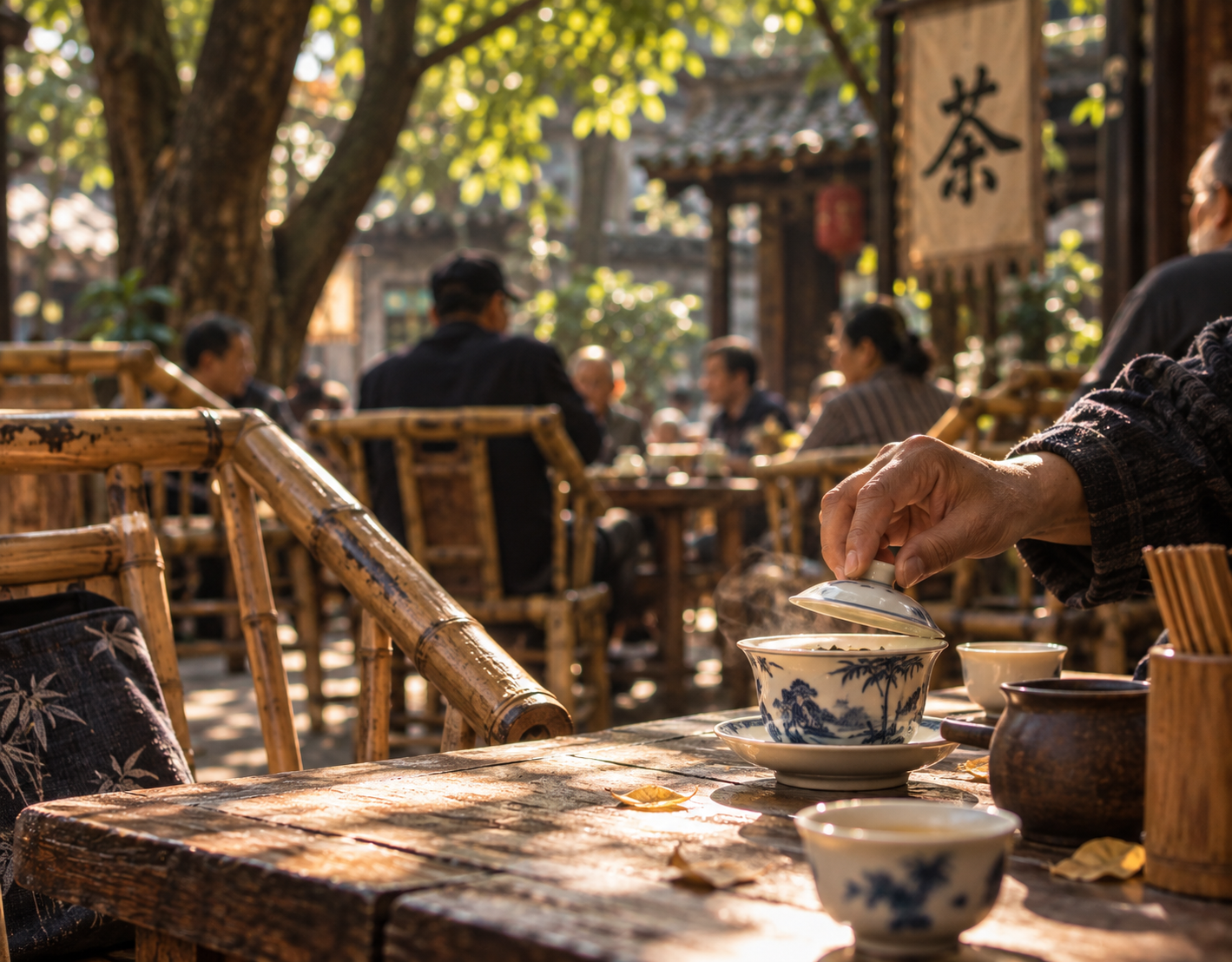
THE SHORT ANSWER
01 FLAVOR
Sichuan cooking is layered, aromatic and varied. Spice is part of the story—not the whole story.
02 DAILY LIFE
Markets, noodle shops, tea houses, neighborhood tables and late-night meals are part of the rhythm of the city.
03 EXPERIENCE
The most memorable food experiences connect what you eat with where you are and how people live around it.
04 TIME
One well-designed day can introduce the city through food. With two days, the experience can slow down and go deeper.
BEYOND THE HEAT
Aroma reaches you first. Then perhaps the tingle of Sichuan pepper, chilli warmth, or the savory depth of fermented bean paste. A little sweetness or acidity changes the balance; a crisp bite changes it again.
You don’t need to learn a vocabulary of flavors before sitting down. Just leave room to notice how different one mouthful can be from the next.
TASTE THE CITY IN MOMENTS
A food journey should not feel like rushing between famous dishes. It unfolds through the city—with appetite, curiosity and time to pause.
01 MORNING
Neighborhood breakfast.
A small table, something warm, a neighborhood getting on with its day. The first taste can be the simplest one.
Begin with
everyday life.
02 LATE MORNING
Local market.
Look at what is fresh, what is dried and what is preserved. Ingredients make a meal easier to understand—and a market makes the city feel closer.
03 MIDDAY
Shared Sichuan lunch.
Let a few dishes speak to one another: something aromatic, something gentle, something with texture. The pleasure is in the whole table.
Taste.
Compare.
Pass it around.
04 AFTERNOON
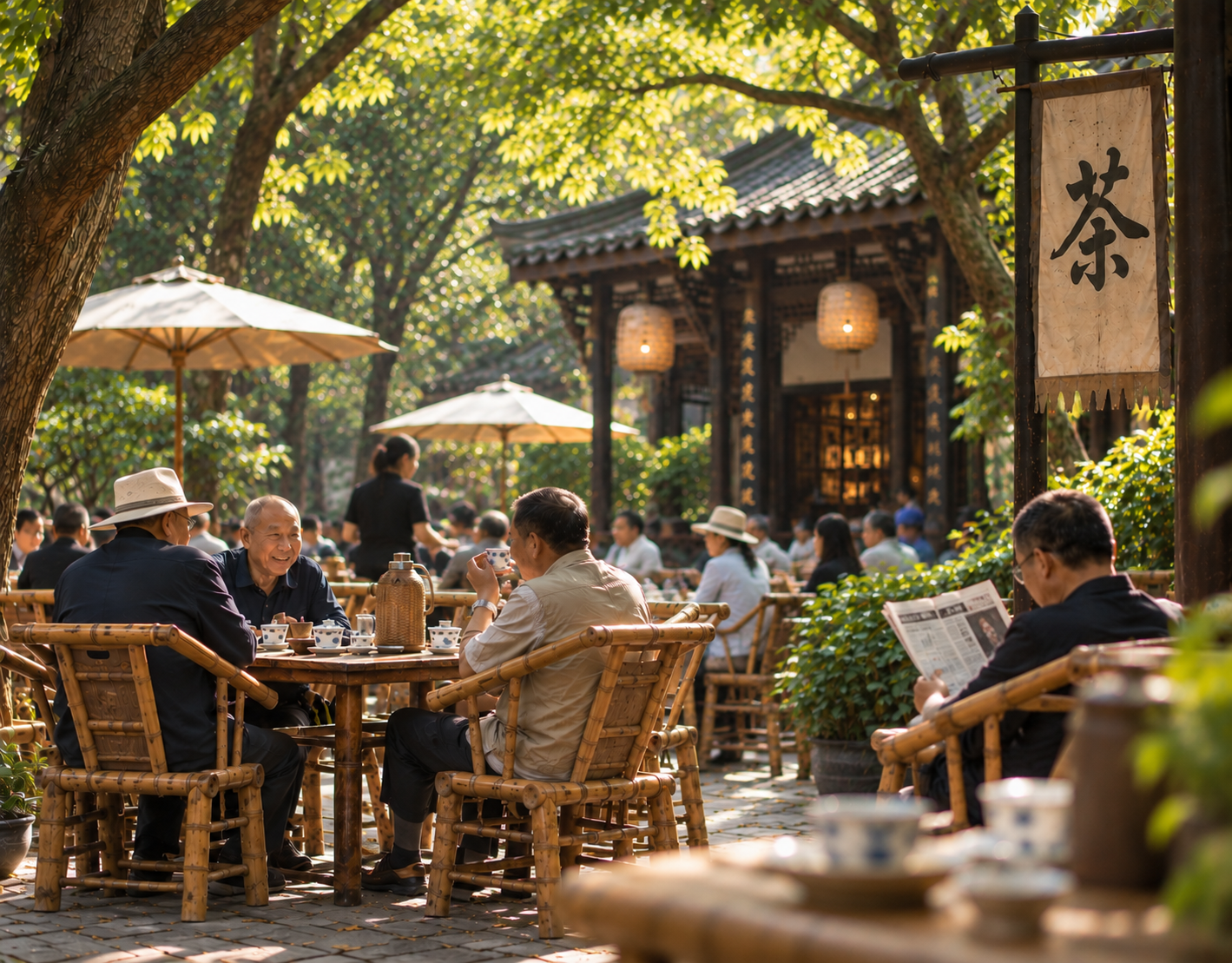
Tea. And a little time.
Take a seat. Let the tea last. Watching the afternoon pass is part of understanding Chengdu, too.
Leave a little
unplanned.
05 LATE AFTERNOON
Neighborhood discovery.
A side street, a small shop, something that catches your attention. Follow your curiosity—and leave the next bite for later if you’re still full.
06 EVENING
Hotpot, or another shared dinner.
Finish with a meal that suits the people around the table. Hotpot may be the choice; another shared dinner may feel just right. The point is to sit down together.
HOW MUCH TIME DO YOU HAVE?
ONE DAY
TWO DAYS
More space to ask questions, return to something you enjoyed and let meals sit comfortably within the day.
THE BIGGER JOURNEY
Chengdu is easy to recommend. That doesn’t mean it belongs in every itinerary. The better question is what you want Chengdu to add to your journey.
Sometimes the best addition
is no addition at all.
BUILD THE ROUTE
Two food cultures. Two very different Chinas.
Monumental China meets everyday China.
Inland flavors meet the coast.
A PRIVATE JOURNEY
BEFORE YOU GO
Heat varies from dish to dish. Say what feels comfortable before planning; a request for less chilli does not necessarily remove Sichuan pepper or every spicy ingredient.
Share dietary restrictions and allergies early. Ingredients, stocks and shared preparation need checking with each venue; suitability cannot be assumed.
Build around familiar flavors, shorter food moments and breaks. Children’s ages, appetites and interests should help set the pace.
That depends on the neighborhoods and experiences chosen. Tell us about mobility needs so distances, seating and access can be checked before a plan is agreed.
Potentially, but leave room for travel and a proper meal. A panda visit and one food experience may serve you better than trying to fit the whole food journey into the same day.
Give food a day if you want an introduction; allow two if you want more depth and pauses. Plan arrival, departure and other interests separately when deciding your total stay.
If regional cooking and everyday life matter to you, Chengdu can add a distinct chapter to a China trip. Its value comes from having time to enjoy it, rather than adding another name to the route.
Hotpot, dan dan noodles, mapo tofu and Sichuan snacks are familiar starting points. A meal can also include vegetables, soups and gentler flavors: the famous dishes are only an introduction.
No. Sichuan cooking includes mild dishes as well as chilli heat and the tingling sensation of Sichuan pepper. Look at the balance of a whole meal, rather than judging the cuisine by hotpot alone.
Sichuan food describes a wider regional cuisine. Chengdu is one place to experience it, shaped by the city’s own snack culture, neighborhood eating and tea-house life.
You can explore independently. A local guide can help you understand menus, ingredients and the context around a meal; the right balance depends on your confidence and curiosity.
Decide what it adds before deciding how long to stay. Pair its food and everyday rhythm with places that offer a different experience, and leave enough space between travel days to enjoy both.
YOUR CHINA JOURNEY
Tell us what you love to eat, how you like to travel and where else you’re thinking of going in China.
We’ll help shape Chengdu around the journey—not the journey around a fixed tour.
Plan My China Journey